
How to sweeten tea without sugar
 By Keith Mander, co-founder of Zilch · 19 November 2026

Brew it a little gentler, let the milk do more of the work, and stir a small amount of monk fruit powder into the tea while it is still hot. A builder's brew, a delicate white tea and a jug of iced tea each want something slightly different, though, so here is how we would handle each one.
Before the kettle boils
- A lot of what sugar hides in tea is over-extraction. A shorter brew, or cooler water for green and white tea, removes much of the bitterness before you sweeten anything.
- Add Zilch to hot tea and stir for a few seconds. For iced tea, dissolve it in the hot brew or a splash of hot water before anything cold goes in.
- Start with about a third of the sugar's weight in Zilch, taste, and add more only if you need it.
- If you want less sweetness overall, come down gradually over a few weeks rather than all at once.
Why does unsweetened tea taste harsh?
Tea leaves are rich in polyphenols, the compounds behind tea's colour and its dry, puckering astringency. The longer and hotter you brew, the more of them end up in the cup. A little gives tea its backbone; too much makes it taste stewed, which is usually when people reach for the sugar bowl.
In one study of green tea, a trained panel scored infusions brewed for 3 to 5 minutes highest, while very long, hot brews scored poorly because of their bitter taste and dark colour. Fix the brew first and you will need less sweetness to enjoy the cup.
How to sweeten each kind of tea
Builder's tea with milk
Use freshly boiled water, brew the bag for 3 to 4 minutes, and take it out without squeezing it, since a squeezed bag releases its most astringent liquid. Stir a small pinch of Zilch into the hot tea before the milk goes in, while it dissolves most easily, then add your milk and taste.
Milk's proteins and fat soften the drying edge of the tannins, and milk carries a gentle sweetness of its own, which is partly why a milky brew feels rounder than black tea. If you have switched to skimmed or an unsweetened plant milk, you may want a touch more sweetness than before.
Earl Grey
Earl Grey is a black tea scented with bergamot, often drunk black or with a slice of lemon. Keep the brew to around 3 minutes so the tea does not swamp the citrus, and sweeten lightly: a heavy hand can turn bergamot from fragrant to something closer to a boiled sweet. Zilch and lemon can go in together.
Green and white tea
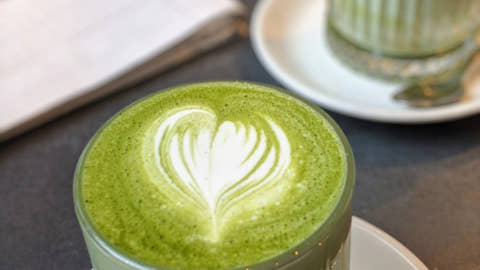
Here water temperature makes the biggest difference. Let the kettle stand for a few minutes after boiling so the water drops to around 70 to 80°C, and brew for 2 to 3 minutes. A well-brewed green tea may need only the smallest pinch, and a good white tea often needs none. If you also drink matcha, our guide to sweetening matcha without sugar covers whisking and temperature in more depth.
Herbal and fruit infusions
Most herbal teas are not made from the tea plant, so they do not turn bitter in the same way. Peppermint, chamomile and rooibos can take boiling water and a long steep, and rooibos has a natural mellowness that needs little help. Blends heavy in hibiscus are different: they can taste quite sharp, and that tartness is where a small amount of sweetener earns its place.
Chai
For two mugs, simmer 300ml water with 2 black tea bags, 4 lightly crushed cardamom pods, a cinnamon stick and a few slices of fresh ginger for about 5 minutes. Add 300ml milk, bring it back to a gentle simmer, then strain. If you would normally add 2 teaspoons of sugar (about 8g) to the pan, start with about 3g of Zilch, stirred in off the heat, and adjust to taste. Many people associate cinnamon and cardamom with sweet food, so you may settle on less than you expected.
Iced tea
Powders dissolve slowly in cold liquid, so sweeten while the tea is hot. Brew a concentrate with double the usual tea, stir in the Zilch, then pour it over plenty of ice. If you cold brew your tea in the fridge, dissolve the Zilch in a tablespoon of hot water first. Cold drinks tend to taste less sweet than hot ones, so taste again once it is chilled.
Getting the amount right
Zilch is around 3x as sweet as sugar, so the easiest starting point is about a third of the sugar's weight. Our conversion chart for using monk fruit instead of sugar sets out common amounts. In a mug, work by eye:
- Start with a small pinch, stir, and taste.
- Taste after the milk goes in, because milk changes how sweet the cup seems.
- Add more a pinch at a time. It is much easier to add sweetness than to take it away.
How to step down from sugared tea
The NHS suggests gradually reducing the sugar you take in hot drinks, or switching to a sweetener, and advises adults to have no more than 30g of free sugars a day. Three or four sugared mugs a day add up quickly.
There is some evidence that taste shifts when you eat less sugar. In a small study, people who cut their sugar intake for three months rated the same puddings as noticeably sweeter than a comparison group did, though the effect on drinks was weaker. That study reduced sugar, not sweetness, so swapping in a sweetener at full strength will not retrain your palate by itself. The gradual trimming is what does that:
- Swap the sugar for Zilch at the sweetness you are used to, so nothing feels different.
- After a week or two, use a little less. A small step is easy to miss.
- Improve the brew at the same time: shorter steeps, cooler water for green tea, fresher tea.
- Try one cup a day with no sweetener at all, perhaps a green or herbal tea, and see how it sits.
Some people end up taking very little; others settle on a small pinch. Either is fine, and the same plan works for sweetening coffee without sugar.
Why choose Zilch for your tea?
A mug of tea is sipped slowly and hot, which is exactly where the cooling feel of erythritol shows up most, and it is a big reason we left erythritol and sugar alcohols out of Zilch. It is a gentle water infusion of monk fruit, known technically as a decoction, on a soluble tapioca fibre carrier, with no added sugar and negligible calorie and glycaemic impact at the small amounts you would use. It adds sweetness rather than a flavour of its own, so your Earl Grey still tastes of bergamot. It will not add the body that a spoonful of honey gives a herbal tea, but in an everyday cup that is rarely missed.
Related reading from our blog

FAQ
Does monk fruit dissolve in tea?
Yes. Zilch dissolves quickly in hot tea, including green tea brewed at 70 to 80°C. For cold or iced tea, dissolve it in something hot first.
Can I sweeten a whole teapot?
You can stir it into the pot once the tea has brewed, but tastes vary so much that it is usually better to let everyone sweeten their own cup.
Photo: a mug of tea with milk, by Factorylad via Wikimedia Commons, in the public domain.
