
What is monk fruit decoction? Monk fruit powder, infusion and extract explained
 By Keith Mander, co-founder of Zilch · 12 October 2026

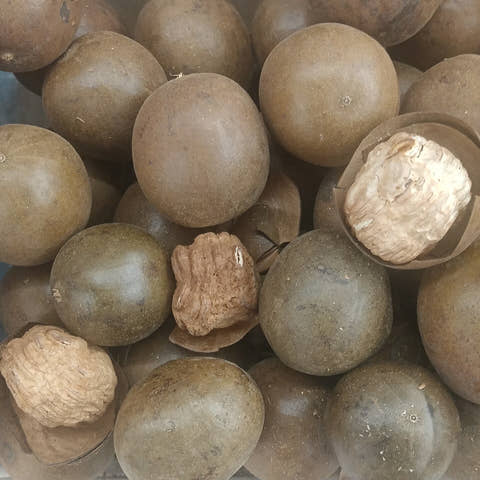
A monk fruit decoction is what you get when you simmer the whole dried fruit in water, strain it, and keep the liquid. Dried down, that liquid becomes monk fruit decoction powder, and that is what monk fruit powder sold as food in the UK is: powdered whole-fruit decoction, usually on a carrier so you can measure it. It is the oldest way of preparing monk fruit, the form that is legal to sell as food in the UK and EU, and what Zilch is made from. You will also see it called a monk fruit infusion, which describes the same thing.
The short version, first
- A decoction is a water preparation of the whole fruit. Nothing is singled out or purified.
- Monk fruit powder, or powdered monk fruit, is that decoction dried and usually combined with a carrier such as soluble tapioca fibre.
- "Infusion" and "decoction" describe the same process. Labels and regulators tend to say decoction; shoppers tend to say infusion.
- Decoctions keep a broad mix of the fruit's compounds, including its sweet mogrosides and some of its natural sugars, so they are far less concentrated than purified extracts.
- UK and EU regulators confirmed in 2024 that monk fruit decoctions are not novel foods, so they can be sold as ordinary food.
What does "decoction" actually mean?
It is an old cooking and herbal term. An infusion, in the strict sense, is steeping something in hot water, the way you make tea. A decoction goes a step further: you simmer tougher material, like dried fruit, roots or bark, so the water can draw out more. Monk fruit, which is dried hard before it is shipped, has been prepared this way for centuries, typically as a sweet tea or soup base.
In everyday speech the two words overlap, and for monk fruit they describe the same single process. At Zilch we call our powder a monk fruit infusion, because that is the word most people recognise, and we pair it with "decoction" because that is the word on the label and in the law. You can read more about where the fruit itself comes from in where does monk fruit come from?
How is decoction powder made?
The broad steps are simple, even if doing them well at scale is not:
- Ripe monk fruit is harvested and dried.
- The whole dried fruit is crushed and simmered in water.
- The liquid is filtered to remove the shell and pulp.
- It is concentrated and dried into a powder.
- Concentrated powder is hard to measure in the small amounts you need, so it is usually combined with a carrier. In Zilch, that carrier is soluble tapioca fibre.
The key word regulators use is non-selective. The water takes what it takes from the fruit. Nothing is done to pick out the sweet compounds and leave the rest behind.
What is powdered monk fruit?
"Monk fruit powder" gets used for several quite different products, so it helps to know which one you are looking at. In the UK you will mostly meet two kinds, and online you may see a third:
- Decoction powder on a carrier: the dried decoction mixed with a carrier such as soluble tapioca fibre, so it flows and measures. Zilch is this kind, at around 3x the sweetness of sugar.
- Spoon-for-spoon blends: a small amount of monk fruit in a pack that is mostly erythritol, made to measure like sugar.
- Purified extract powders: very concentrated mogroside powders sold mainly in the US. They are not authorised as a sweetener in the UK or EU.
The ingredients list is the quickest way to tell them apart, because UK rules require ingredients to be listed by weight, from most to least. If you are shopping for monk fruit powder in the UK, our guide to where to buy monk fruit sweetener in the UK covers what to look for.
Monk fruit decoction vs extract: how are they different?
An extract starts in a similar place but keeps going. The liquid is purified until the sweet compounds, the mogrosides, make up a large share of the powder, often around half. That makes an extract intensely sweet, used in drops or tiny pinches, and also takes it a long way from the whole fruit.
- Decoction: whole-fruit, broad mix of compounds, a few times sweeter than sugar, a regular food in the UK and EU.
- Purified extract: concentrated mogrosides, many times sweeter, widely used in the US, not authorised as a sweetener in the UK or EU.
| Decoction (infusion) | Purified extract | |
|---|---|---|
| How it is made | Whole dried fruit simmered in water, filtered and dried | The same liquid, purified until mogrosides dominate |
| What it keeps | A broad mix: mogrosides, some natural sugars, fibre and plant compounds | Mostly mogrosides, often around half the powder |
| Sweetness vs sugar | A few times sweeter (Zilch is around 3x) | Many times sweeter, often quoted at 100 to 250x |
| US | Sold as a food | Permitted under FDA GRAS |
| UK and EU | Not a novel food; sold as ordinary food | Not permitted as a sweetener |
That last point is why the difference matters so much on this side of the Atlantic. We explain the extract side in full in why can't you buy pure monk fruit extract in the UK?, and the basics of both forms in what is monk fruit sweetener?
Is monk fruit powder legal in the UK?
Yes, when the monk fruit in it is a decoction, which is the form sold as food in the UK. Purified extract powders are not authorised as a sweetener in the UK or EU, though they are permitted in the US. The difference comes down to the law asking different questions of each. A decoction is a food, so the question is whether it was eaten here before May 1997. In June 2024 the Food Standards Agency determined that non-selective aqueous decoctions of monk fruit are not a novel food, and the EU reached the same conclusion later that year. The full story is in is monk fruit legal in the UK and EU?
A purified extract used to sweeten food is regulated as a sweetener additive, which needs its own safety assessment and authorisation. That has not happened in the UK or EU, while in the US purified extract is permitted under FDA GRAS.
What does decoction powder taste like?
Sweet, with a rounder, softer finish than most people expect from a sugar alternative. Because it keeps more of the fruit than an extract does, some people pick up a faint fruity or caramel-like note. It does not have the cooling feel of erythritol. Taste is personal, though, and the amount matters: a little sweetens cleanly, while too much can bring a lingering sweetness forward. We go into why in does monk fruit have an aftertaste?
Does monk fruit decoction powder contain sugar?
A little, and we would rather be straight about it. Because the whole fruit goes into the water, a decoction carries some of the fruit's naturally occurring sugars along with its mogrosides. At the small amounts you actually use to sweeten a drink or a bowl of porridge, the calorie and glycaemic impact is negligible, and there is no added sugar. But the label will show some sugars per 100g, and that is the honest consequence of using the whole fruit. Our post on monk fruit and blood sugar walks through what that means in practice.
Here is how that looks for Zilch at a typical serving, the small amount you would stir into a drink:
| Zilch nutrition | Per serving (0.65g) |
|---|---|
| Energy | 8 kJ / 2 kcal |
| Fat | 0g |
| Sugars | 0.2g |
| Fibre | 0.4g |
| Protein | 0g |
| Salt | 0g |
Why choose Zilch?
Zilch is a monk fruit infusion powder (a gentle water infusion of the whole fruit, known technically as a decoction) with soluble tapioca fibre as the carrier. No erythritol, no sugar alcohols and no artificial additives. We chose the decoction because it keeps more of the fruit, it is the form regulators here have cleared, and for most people it gives a softer finish than purified extracts or erythritol blends. It is around 3x sweeter than sugar, so a small amount goes a long way in coffee, tea, yoghurt and porridge.
Related reading from our blog


FAQ
Is monk fruit infusion the same as monk fruit decoction?
Yes. They describe the same process of preparing the whole fruit in hot water. Labels and regulators usually say decoction; most shoppers say infusion.
Is powdered monk fruit the same as monk fruit extract?
Not usually. Monk fruit powder sold as food in the UK is a dried decoction of the whole fruit, often on a carrier. A purified extract is a far more concentrated mogroside powder, permitted in the US but not authorised as a sweetener in the UK or EU.
Is monk fruit powder the same as monk fruit sweetener?
Often, but not always. "Monk fruit sweetener" covers powders, erythritol blends and liquid drops. Read the ingredients to see whether the monk fruit is a decoction powder or a small part of a blend.
How much sweeter than sugar is monk fruit decoction powder?
It depends on the product. Zilch is around 3x sweeter than sugar. Purified extracts are far sweeter, which is one way to tell the two apart.
Photo: halved dried monk fruit simmering in water, by LawHONGUOshui via Wikimedia Commons, licensed under CC BY-SA 3.0.

